

- Challenge
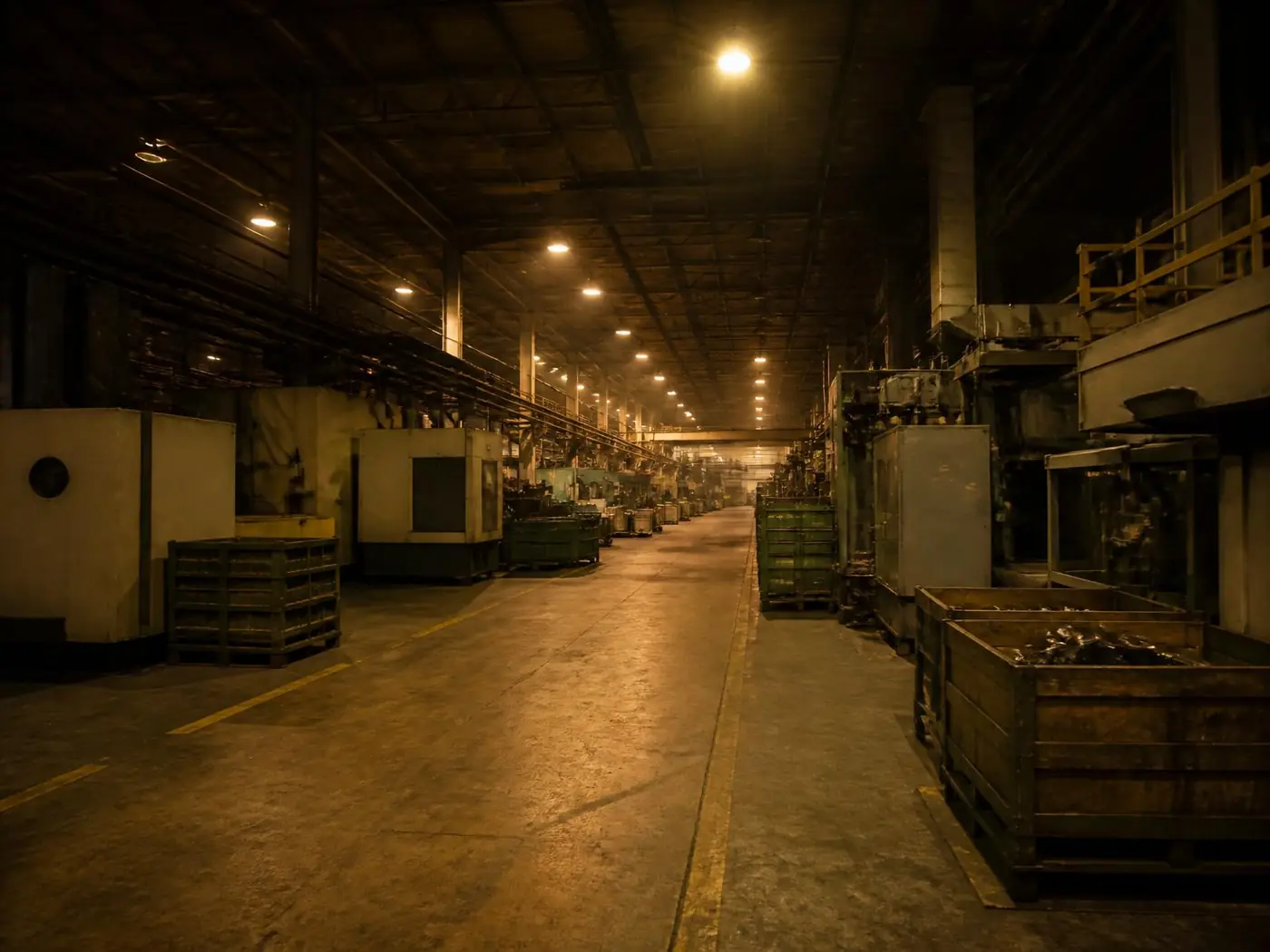
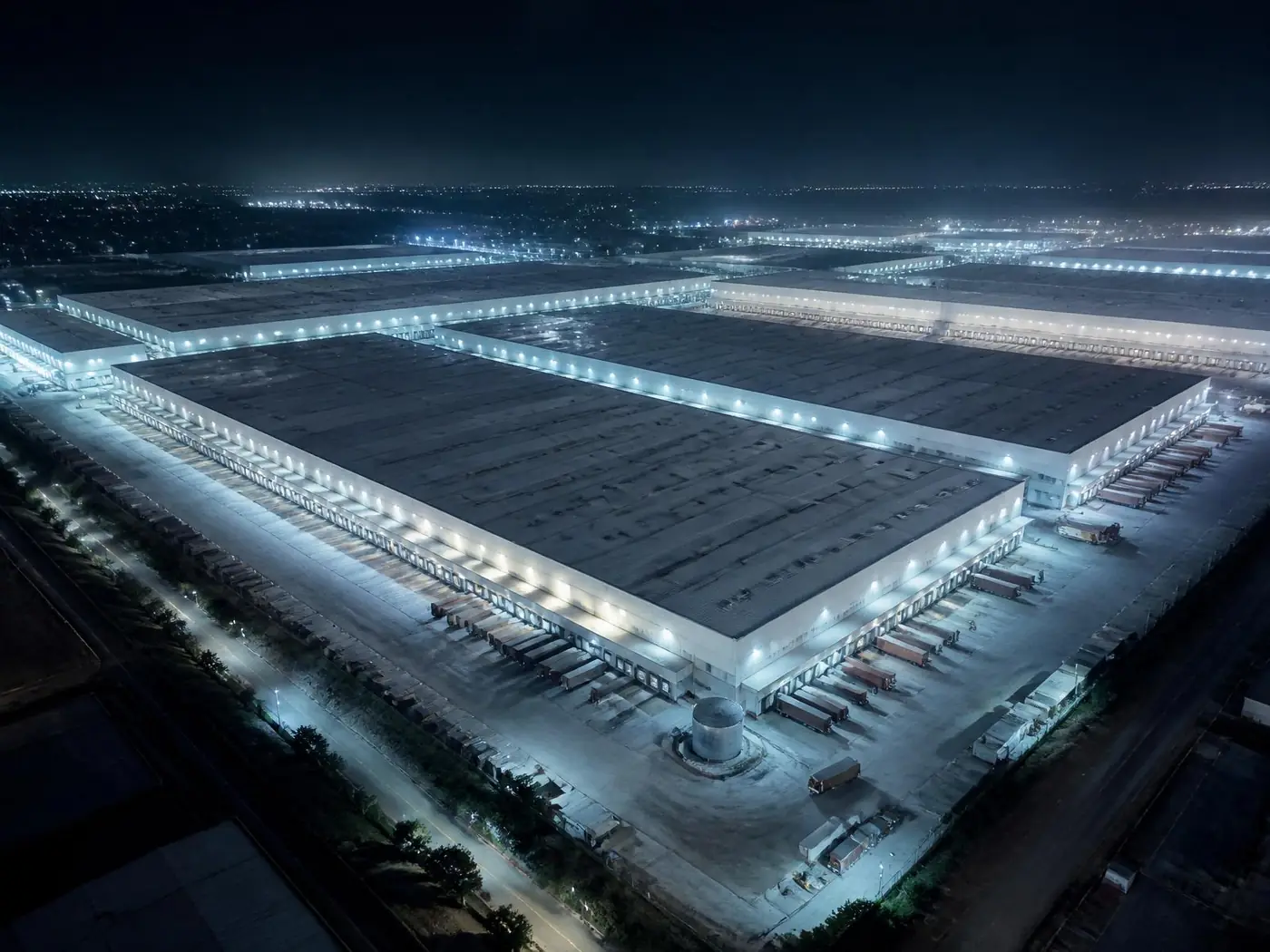
- Rising overnight intrusion attempts across a national warehouse network with limited on-site security staff.
- Solution
- Overnight autonomous patrols with license-plate and person detection, tied into existing dispatch.
Critical infrastructure has outgrown the fence, the camera tower, and the ground patrol. Rakshak Systems designs autonomous aerial units that adapt to what a site actually looks like - its geometry, its weather, its shift patterns - and hand verified observations to the people responsible for it.
We are an engineering company. Drones are one component of the system we build.
Eight sectors. Each with its own geometry, its own regulations, its own definition of a threat. The platform is the same. The deployment is not.

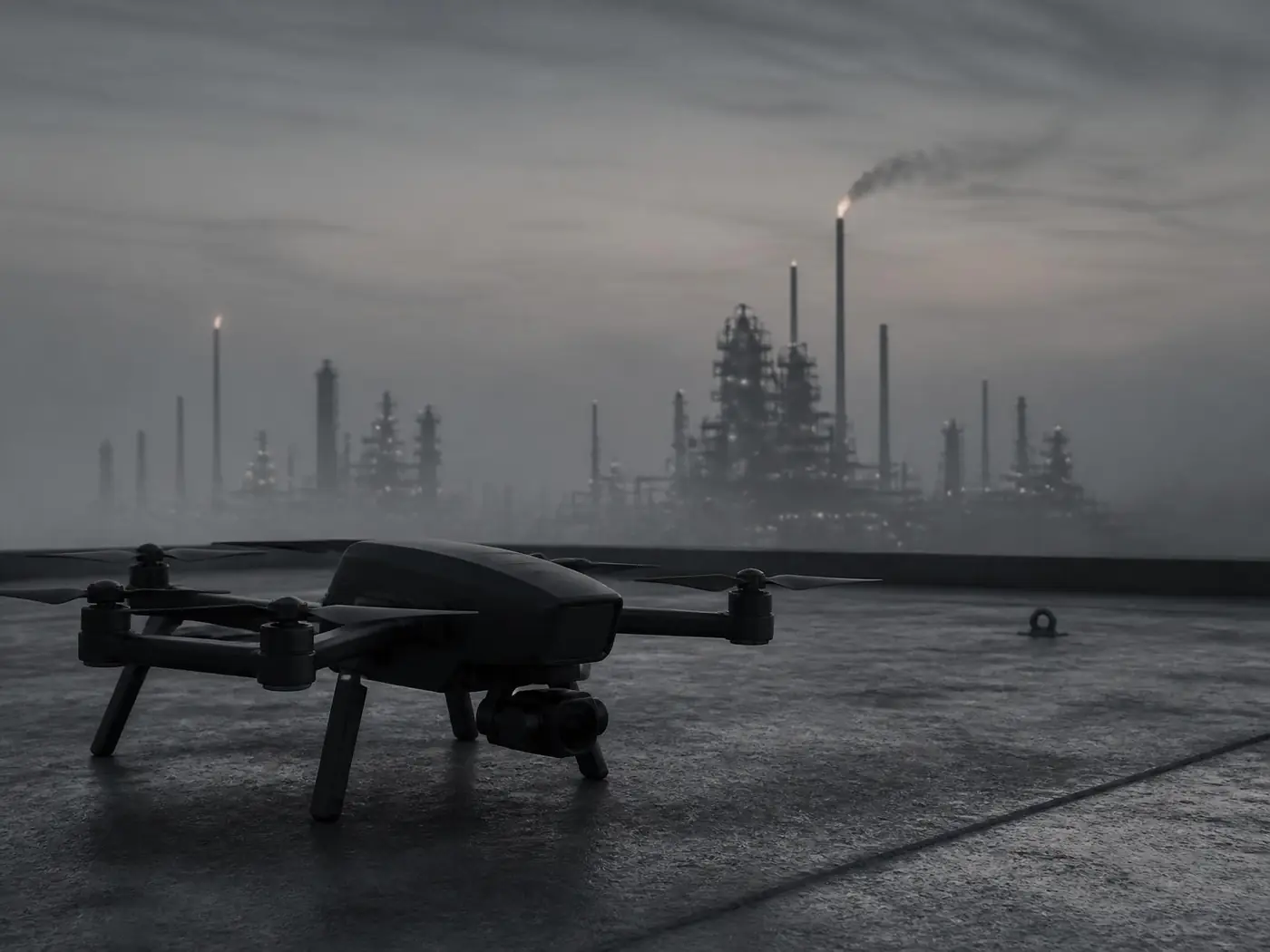
Overnight autonomous patrols across national distribution networks.

Aerial gap-fill for terminals that fixed camera coverage never reached.

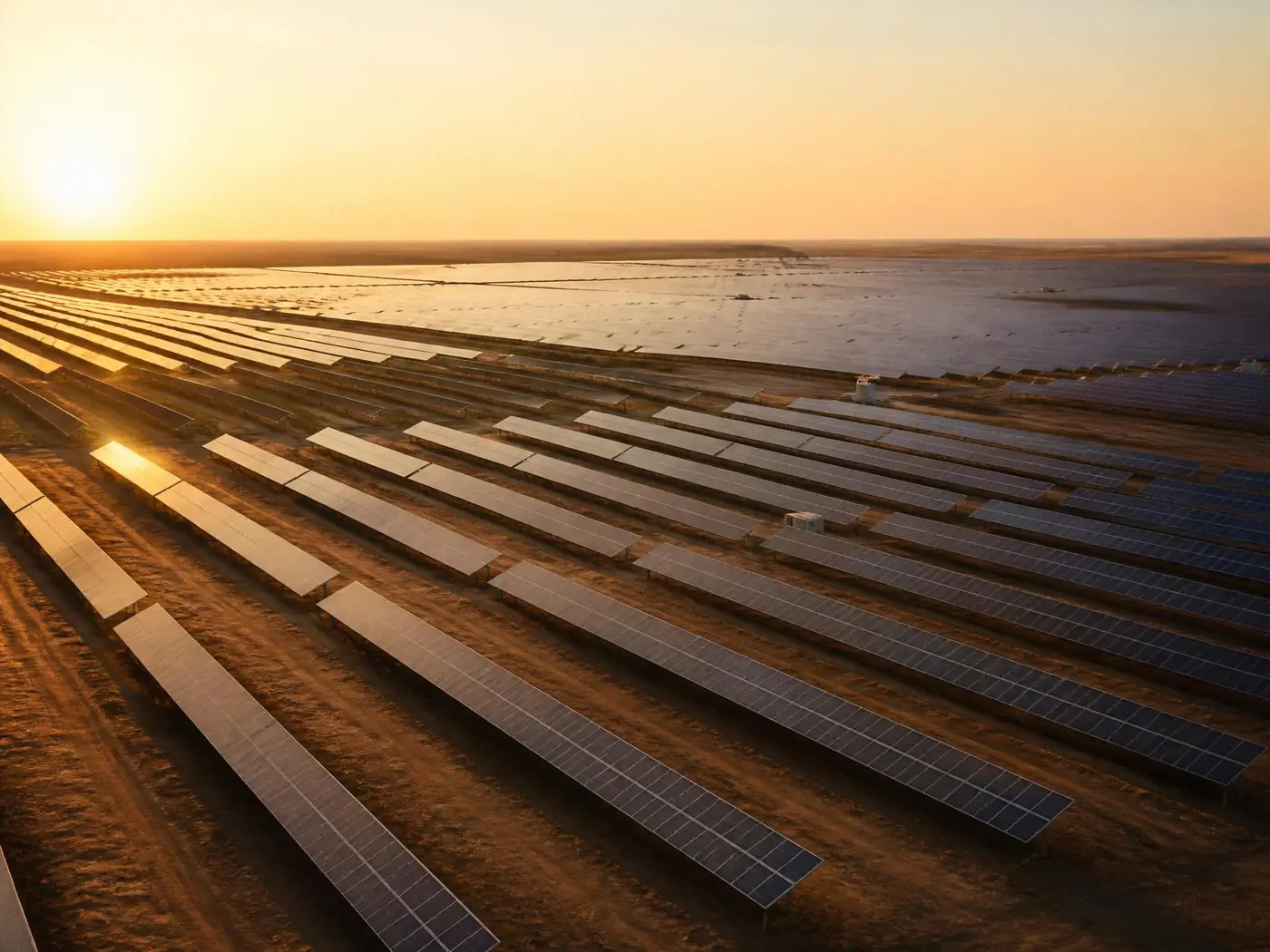
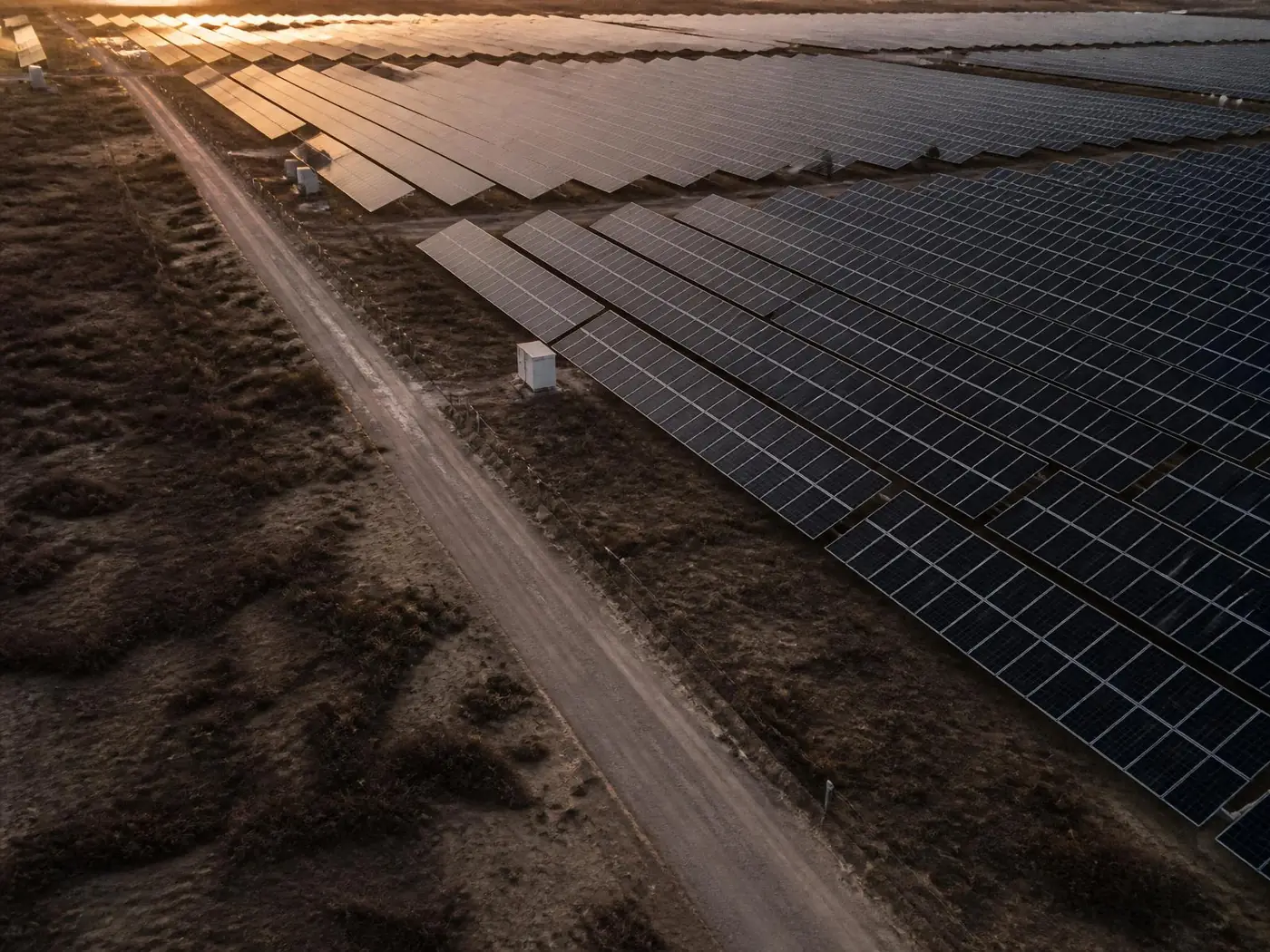
Thermal patrols across remote photovoltaic estates prone to copper theft.

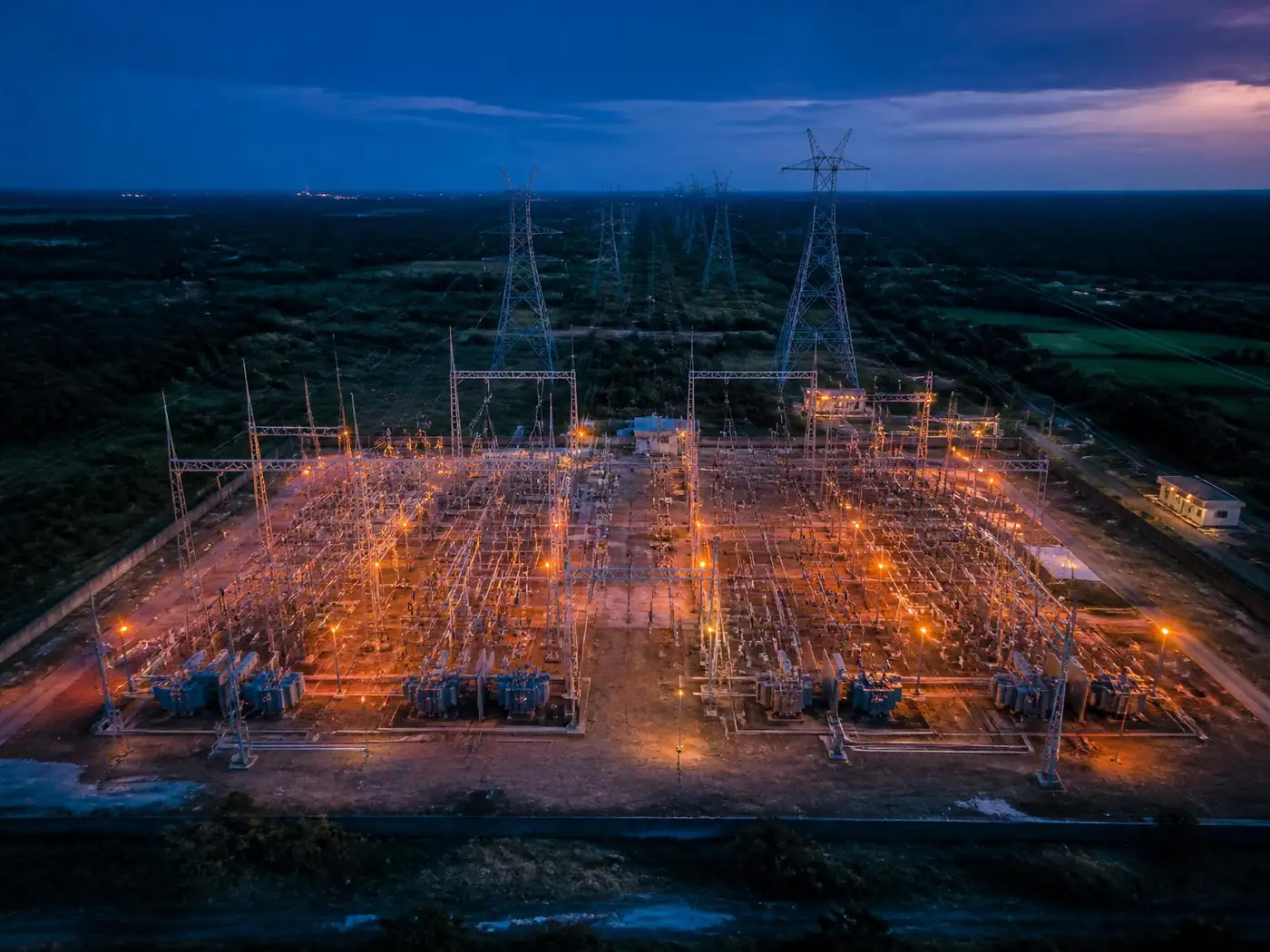
Scheduled inspection and intrusion detection along high-voltage lines.

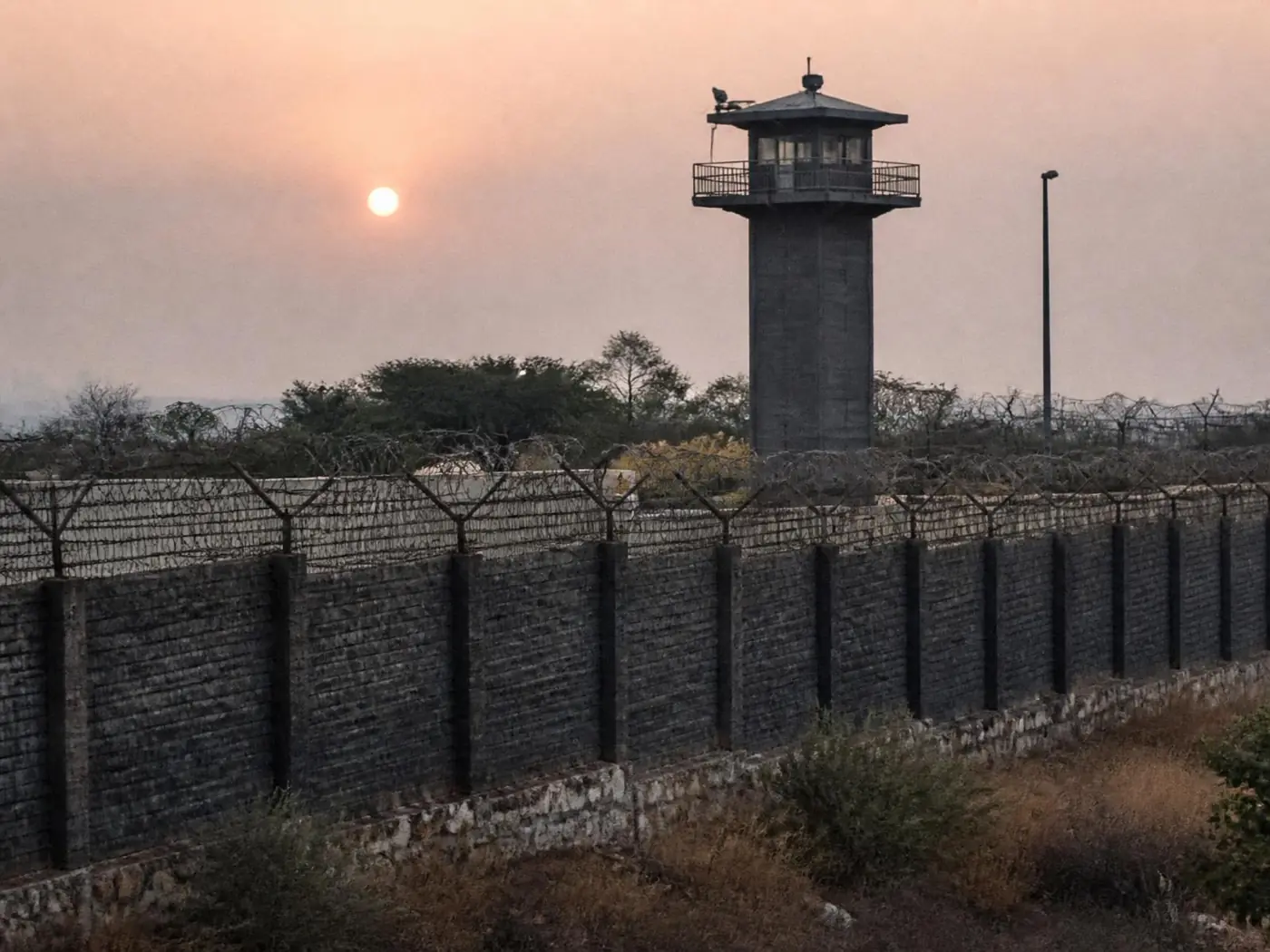
Access-aware patrols aligned to plant operating rhythms.

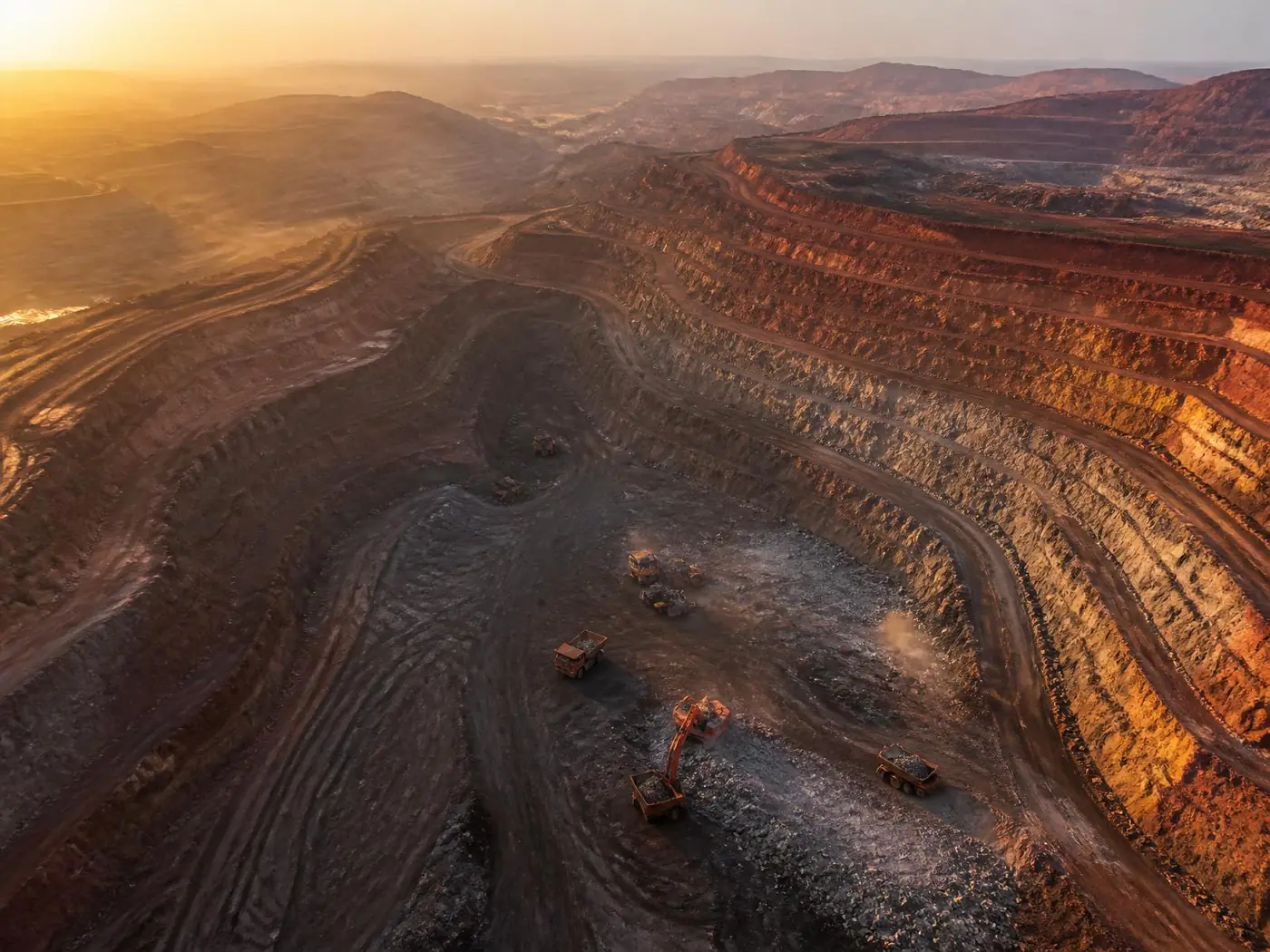
Adaptive routing coordinated with blast schedules and haul roads.

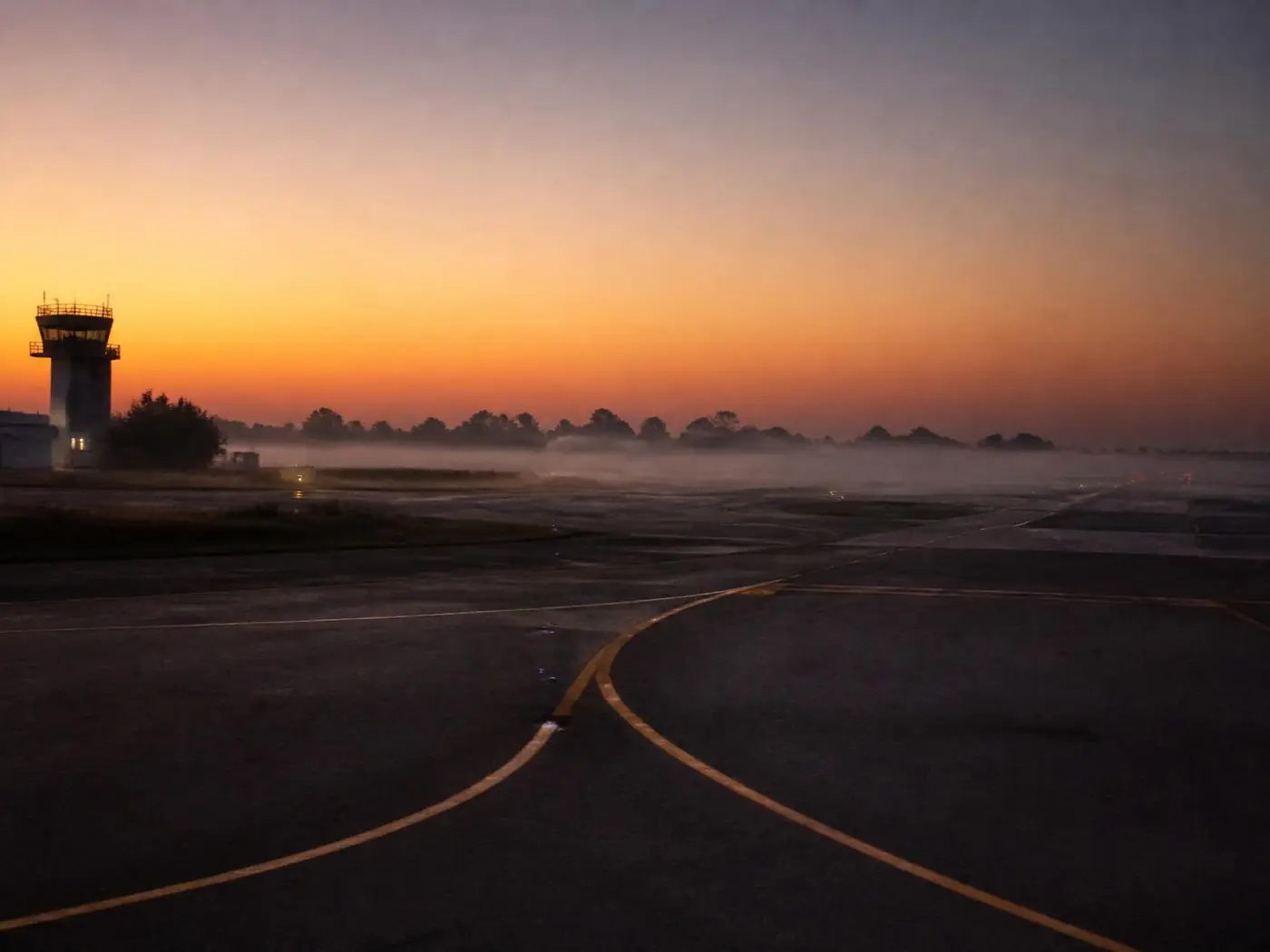
Wildlife and intrusion detection integrated with ATC operations.

On-shore, on-premises, with full autonomous decision audit.
Three arguments for choosing autonomous aerial patrol over the systems already installed at most sites.
A 20-30 person patrol rotation replaced by a fleet that never sleeps, never misses a shift, and produces signed evidence of every event.
Static camera towers leave blind spots between poles. Autonomous aerial patrol closes the gap and reduces false-alarm dispatches.
On-shore engineering, on-premises inference, no third-party cloud in the decision loop — a fit for Indian defence and critical infrastructure procurement.
Three engineering stages, drawn as they are built. No proprietary black boxes; a system your operations team can reason about.
A fleet flies adaptive patrols, streaming optical and thermal telemetry to on-board inference.
Classification and confidence are computed at the aircraft. Only verified events leave the unit.
Incidents are handed off to your existing dispatch, VMS, and audit workflows.
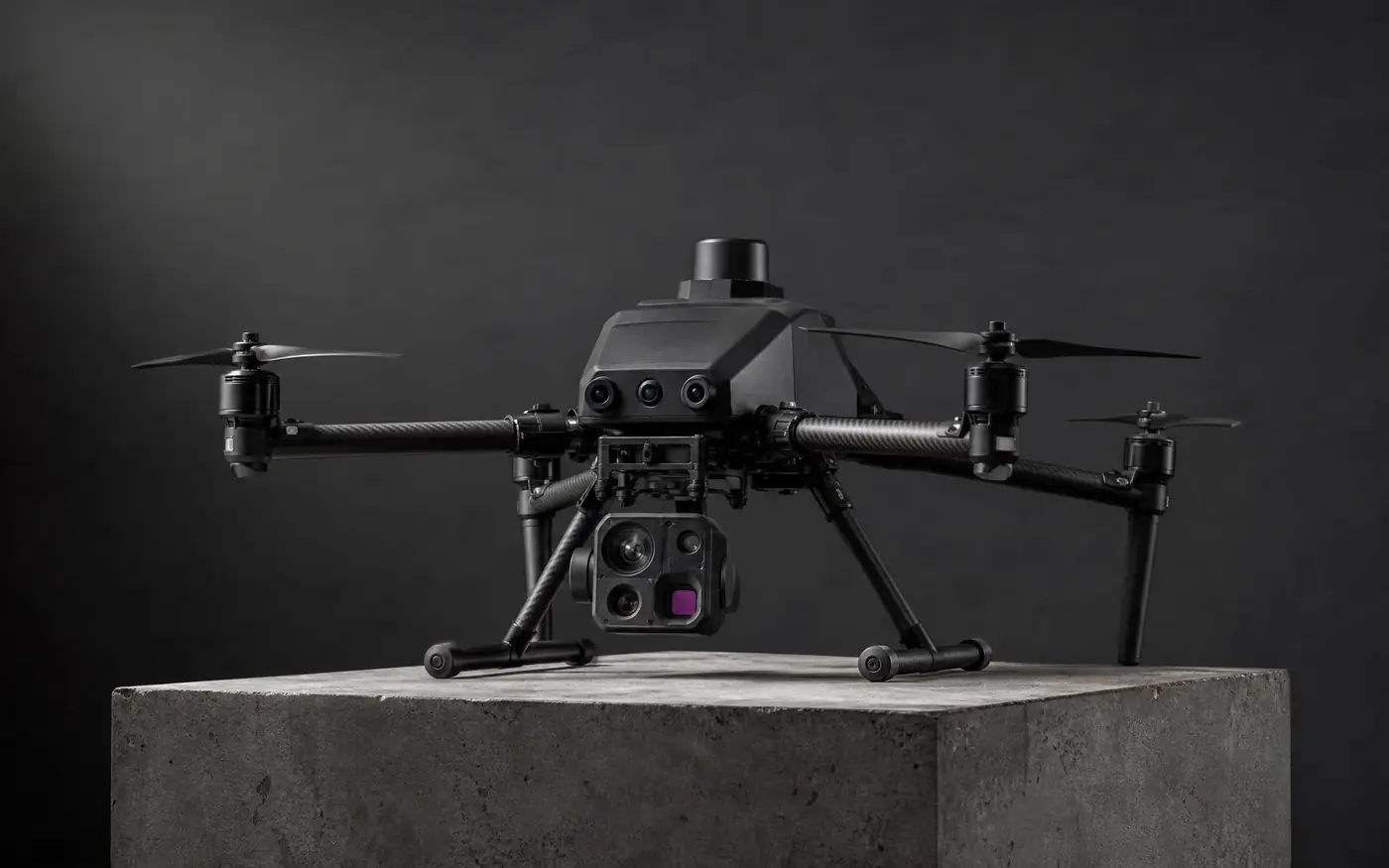
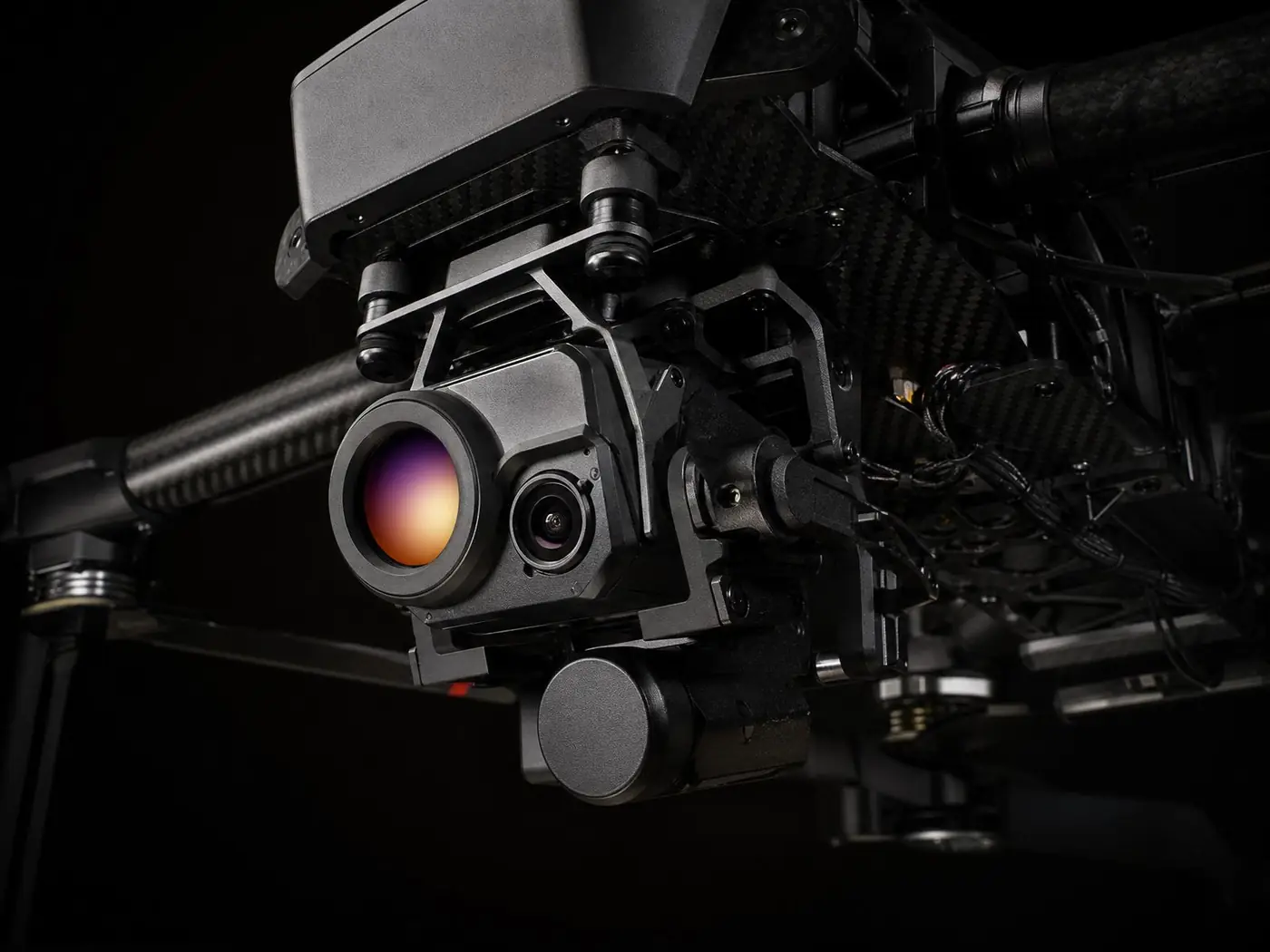
The Rakshak Mk-I is the aerial unit at the centre of every deployment. Machined in India, tested against the failure modes that shorten the life of commercial drones on industrial sites.

Every subsystem is built for continuous operation. Nothing is optional.
Unibody carbon-fibre chassis. Field-serviceable rotor arms. IP54 sealed against dust and rain.
Dual visible and long-wave thermal imagers with a solid-state LiDAR puck for structural detail.
Onboard compute runs perception, path planning, and obstacle avoidance without a ground link.
Encrypted mesh radio with 4G/5G fallback. Operator handoff resumes across coverage gaps.
Fifty-two minutes on a single pack. Hot-swap dock returns the unit to patrol within ninety seconds.
Engineered to DGCA BVLOS requirements. Certification in process.

Target specification. Mk-I in engineering.
Critical infrastructure is the default. But the same airframe, autonomy stack, and operations model adapt - with the payload and cadence changed, not the platform.

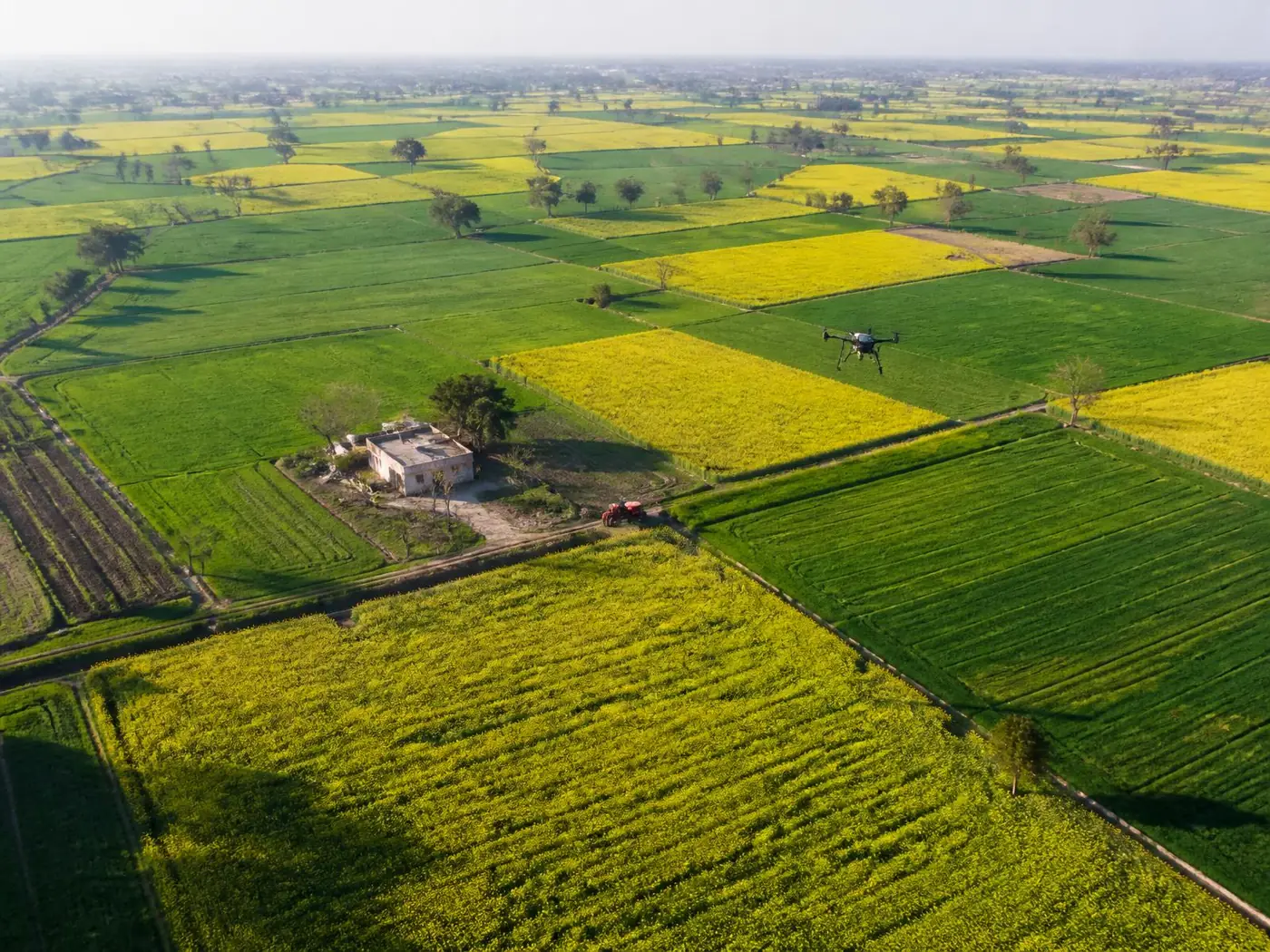
Multispectral sweeps identify crop stress, irrigation loss, and boundary intrusion across contiguous holdings.

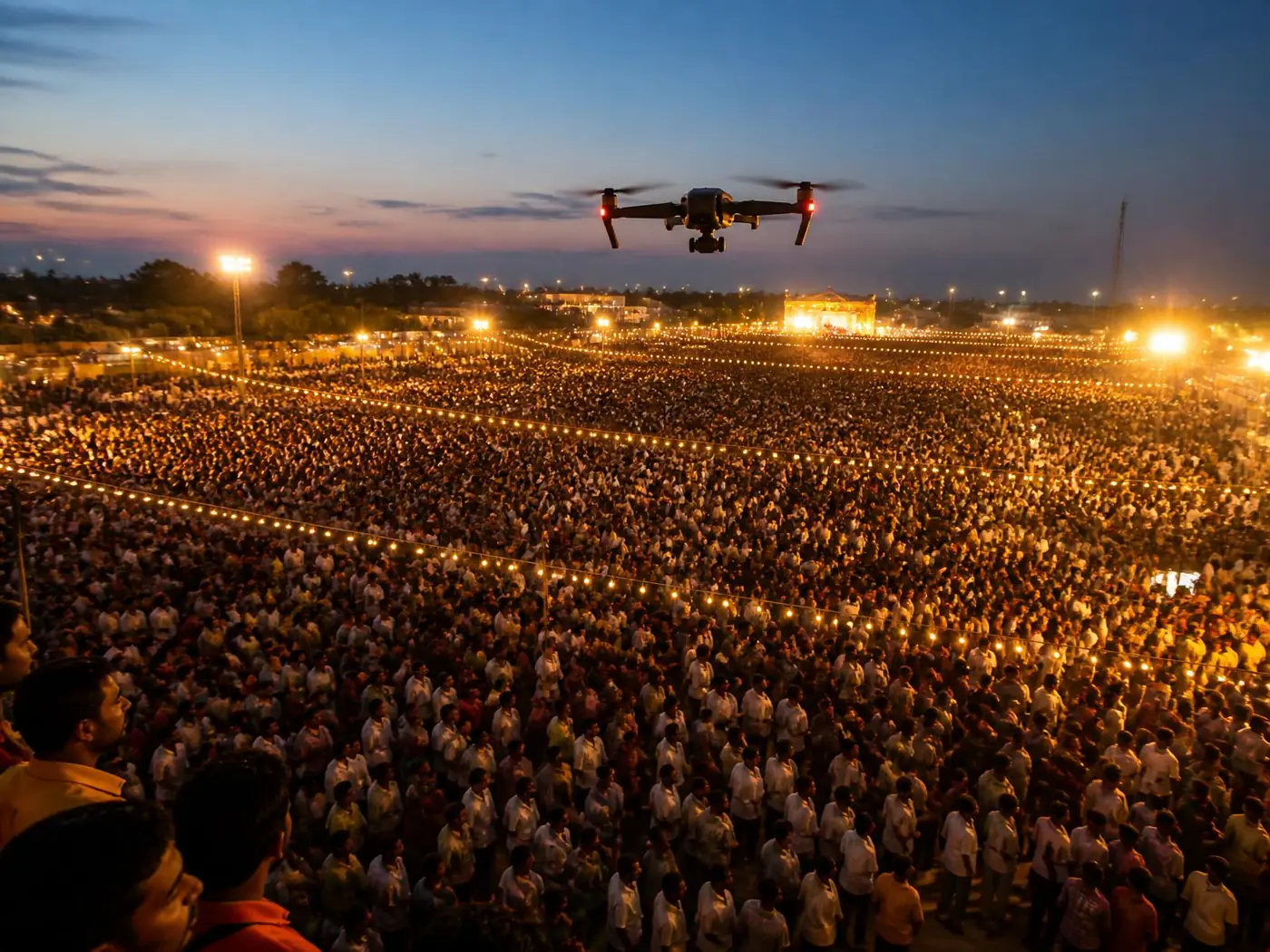
Elevated situational awareness for civic gatherings - density estimation, exit-flow monitoring, verified threat callouts.

Thermal night patrols across forest reserves to deter poaching and monitor herd movement without human presence.
Built for the small teams that actually run security operations: precise, minimal, and quiet until it needs your attention.
Six phases. Predictable timelines. Fixed scope per site.
Projected impact · Rakshak in engineering, pilots in negotiation


Container-yard blind spots between fixed cameras created gaps in perimeter awareness.
Tell us about the site. A member of our engineering team will respond within one business day.